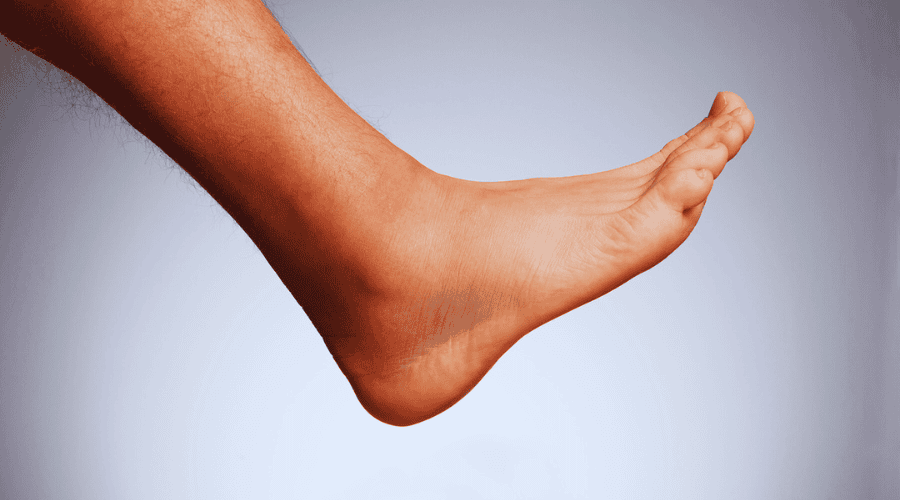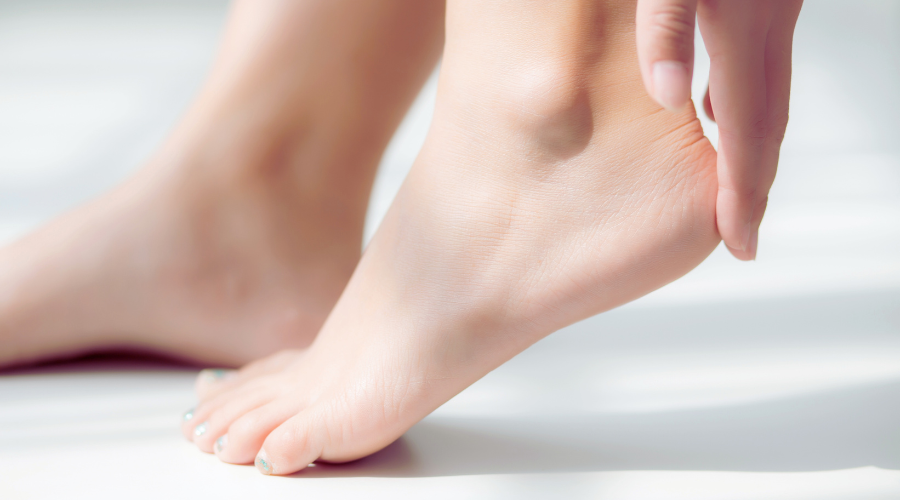
There’s nothing quite as frustrating as pain when you walk. Pain on the bottom of your foot might present as sharp, dull, or throbbing. The foot is a complex structure made up of bones, muscles, tendons, and ligaments, all working together to support your weight and provide mobility. When something goes wrong, the pain can be debilitating.
Foot pain can happen to anyone, whether you’re an athlete, someone who stands for long hours, or just dealing with the general wear and tear of life. Regardless, it can make activities like walking or standing uncomfortable.
If you want to get back on your feet pain-free, it’s important to understand the causes and treatments of foot pain. Let’s take a closer look.
Common Causes of Pain on the Bottom of Your Foot
From a podiatry perspective, pain in the bottom of your foot is often due to several common conditions. Below are some of the frequent causes we see in clinical practice:
Plantar Fasciitis
Plantar fasciitis is one of the leading causes of foot pain, particularly in the heel and arch. The plantar fascia is a thick band of tissue that runs along the bottom of the foot, connecting the heel bone to the toes. Overuse, repetitive stress, or wearing shoes without proper arch support can lead to inflammation or small tears in this tissue, causing significant discomfort.
Plantar Fibroma
A plantar fibroma is a benign nodule that forms within the plantar fascia. While generally painless in smaller stages, larger fibromas can cause discomfort, particularly during weight-bearing activities like walking or standing. This condition is often mistaken for plantar fasciitis but requires different treatments.
Plantar Fascia Tear
A more severe form of plantar fasciitis is a plantar fascia tear, which can result from overstretching or trauma to the tissue. This leads to sudden, sharp pain, especially when weight is placed on the foot. Immediate treatment is essential for proper healing.
Plantar Warts
Plantar warts are small, noncancerous growths caused by the human papillomavirus (HPV). These warts typically develop on the soles of the feet, especially on weight-bearing areas like the heels and balls of the feet. Due to the pressure of walking, they grow inward, causing pain or tenderness when standing or walking.
Morton’s Neuroma
Morton’s neuroma is a painful condition that affects the nerves between the toes, often between the third and fourth toes. It occurs when the tissue surrounding the nerve thickens, leading to discomfort. This condition is frequently associated with wearing tight or narrow shoes, particularly high heels, which put excess pressure on the ball of the foot.
Stress Fractures
Stress fractures are small cracks in the bones of the foot, often caused by overuse or repetitive strain. These fractures are particularly common among athletes and individuals with foot structural abnormalities such as flat feet. Treatment usually involves rest and proper support to allow the bones to heal.
Tarsal Tunnel Syndrome
Tarsal tunnel syndrome occurs when the posterior tibial nerve, which runs inside the ankle and into the foot, becomes compressed. This leads to pain, tingling, or numbness on the bottom of the foot. Common causes include flat feet, varicose veins, or injuries that cause swelling. The main symptom is a burning or shock-like sensation.
When to See a Podiatrist
While some foot pain can resolve with rest and home care, certain cases require professional evaluation from a podiatrist. You should seek medical attention if:
- Pain lasts longer than a week or two
- You experience swelling, bruising, or redness in the affected area
- You have difficulty bearing weight or walking
- Your pain occurs after an injury or accident
Common Treatment Options for Bottom-of-Foot Pain
At our podiatry clinic, we offer a range of treatments to relieve pain in the bottom of your foot, depending on the cause.
Rest and Ice: Resting the foot and applying ice can reduce inflammation, especially for conditions like plantar fasciitis and stress fractures.
Supportive Footwear: Wearing shoes with proper arch support and cushioning can prevent and treat foot pain. Orthotic inserts are particularly helpful for people with flat feet or high arches.
- Orthotics: Custom orthotics can provide additional support and cushioning, especially for conditions like plantar fasciitis, flat feet, or Morton’s neuroma. Orthotics help redistribute pressure across the foot, reducing strain on affected areas.
- Shockwave Therapy: Shockwave therapy is an effective treatment for chronic plantar fasciitis. This non-invasive therapy promotes healing by stimulating blood flow to the damaged tissue and encouraging the body’s natural repair processes.
- Exercises: Strengthening and stretching exercises can improve foot flexibility and muscle support. Regular exercises targeting the plantar fascia, Achilles tendon, and other muscles can provide long-term relief and prevent future injuries.
- Over-the-Counter Medications: Nonsteroidal anti-inflammatory drugs (NSAIDs) like ibuprofen can help reduce pain and inflammation, especially for conditions like plantar fasciitis or Morton’s neuroma.
- Surgery Referral : In more severe cases, such as advanced Morton’s neuroma or stress fractures, surgery may be necessary to repair the damaged tissue or nerves.
Book an Appointment with a Podiatrist
If pain in the bottom of your foot is affecting your day-to-day activities, it’s important to have it properly assessed. At our clinic, we take the time to understand your specific symptoms, diagnose the cause, and provide a tailored treatment plan. Our goal is to help you find relief and prevent further issues so you can get back to moving comfortably.
Take control of your foot health. Schedule an appointment with our podiatry team today, and let us help you move forward without pain.