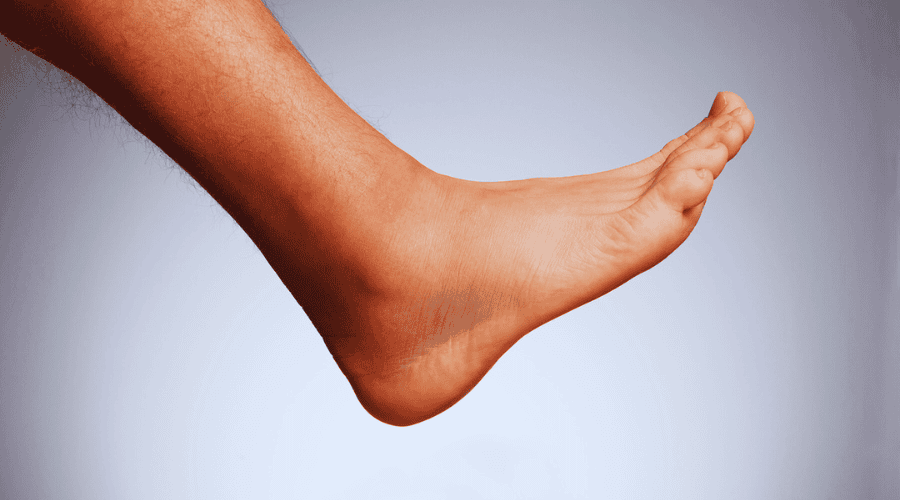
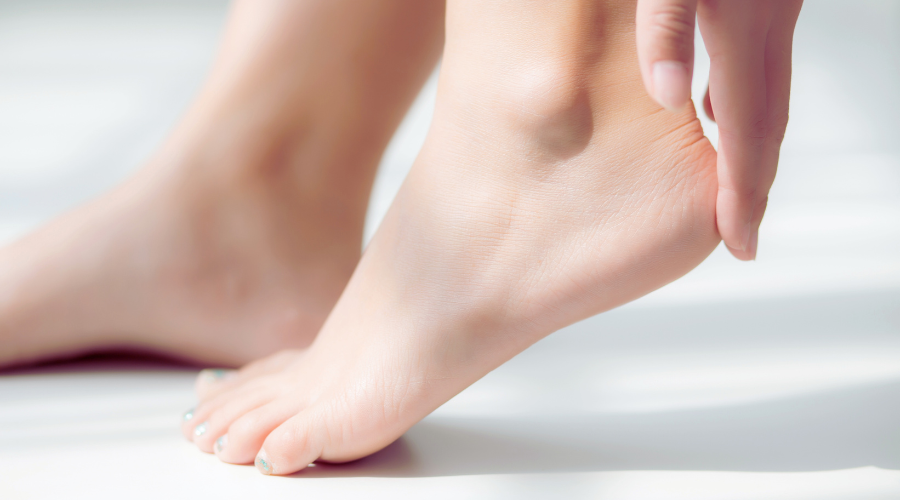
Today’s podiatrists use a wide range of advanced technologies and techniques to restore deformed and damaged nails and to aid recovery from toenail operations.
Our toes are vital for providing balance and support while walking. But when it comes to our toenails, we probably spend very little time thinking about them unless we start to feel a niggle of pain, or it’s time to embrace summer and have our feet on display.
If you’ve previously struggled with ingrown toenails, a trauma injury, or even fungus, you may have damaged nails or distorted nails. But it’s not something you have to put up with. Nail restoration is very advanced these days, taking just a few minutes to give you a new nail that looks totally natural. It’s also a real confidence booster to step out with nails that look good.
Nail restoration is a cosmetic treatment that makes fingernails and toenails look normal and natural again. It can be used to reconstruct damaged or deformed nails or as a temporary cosmetic application while new nails grow.
Why would you need nail restoration?
Unsightly toes and nail issues such as fungal infections, injuries, ingrown toenails, and deformities can affect our wellbeing in many ways. Apart from discomfort and pain, our nails post-treatment can affect our self-esteem. All these conditions and more can be rectified with podiatric nail restoration techniques to give you naturally healthy-looking nails again. Let’s look at the symptoms of those conditions and then look at different methods to restore nails.
Trauma
Toenails badly damaged in accidents inevitably die and must be removed. Surgery may be required to treat it. A new nail may or may not grow. A prosthetic nail can be put in its place to restore a natural look.
Toenail fungus
Onychomycosis is fungal growth under the toenail caused by feet not being kept clean and dry, usually because of long periods of wearing damp socks and shoes. Symptoms include warped and brittle, yellowish nails that become loose and break off. The fungus gives off a strong, unpleasant odor and can cause serious infection or spread if left untreated. After removing the dead toenails, a temporary prosthetic nail can be applied.
Following an ingrown toenail
Ingrown toenails usually occur in the big toe, where the toenail gets buried into the skin, causing swelling and pain. The toenail can become infected if not treated properly. After an ingrown toenail is removed, several weeks are required for the new toenail to grow. A prosthetic nail can be applied in the meantime.
Professional Nail Restoration Methods
There are two key aspects to nail restoration at The Foot Hub. We focus on promoting healthy nail regrowth where possible, while offering advanced reconstruction solutions using natural-looking prosthetic nails. These can be applied temporarily during healing or as a more permanent solution when natural regrowth isn’t possible.
KeryFlex Nail Restoration
Keryflex is a special resin that’s used to beautify nails lost or damaged due to fungus, trauma, or severe discoloration. It’s one of our most popular nail restoration treatments at The Foot Hub because it’s quick, effective, and looks fantastic. The KeryFlex resin hardens into a durable, natural-looking nail that flexes with your feet and toes and never irritates the skin as the porous material allows the skin and nails underneath to breathe. It is the best solution for beautiful nail restoration for almost any condition, or even if you still have all your nails but want to give them a natural, uniform look.
Nanoflex
An effective way to reconstruct damaged toenails, Nanoflex is a flexible gel that is cured by UV/LED. It comes in three different natural colours and also contains NanoSilver, which is both antibacterial and antifungal. It is durable and offers fantastic, long-lasting results that look natural. Specially formulated for toenails, it is comfortable, even in closed-toe shoes, and an ideal way for use while nails are healing.
ToeFlex
Another excellent reconstruction solution for damaged toenails, Toeflex is a hybrid system – neither acrylic nor gel – that offers a smooth finish. The putty-like substance is applied to your damaged nail and provides a light, strong covering to offer a natural look as your nail grows underneath. With a matt finish, available in skin tone colours, a top coat can be added for extra shine.
Onyfix
Onyfix is a new nail correction system that promotes the regrowth of ingrown or involuted toenails to their natural, uniform shape. It doesn’t involve surgery, so it’s pain-free. The treatment uses a composite material to create a brace as a pathway for the new nail growth. LED light is used to cure and harden the composite nail, which grows with the toenail and is then removed after about 2-3 months, once the new nail has grown in its place.
Look after your nails post-restoration
You can take steps for better foot health at home, but the experts are also on hand to help you take a preventative approach. If you have any persistent symptoms, book an appointment with a professional podiatrist to get a proper diagnosis and treatment instead of risking exacerbating the problem. Here are some of the ways you can ensure better foot health:
Treating fungal infections
If you suspect a fungal nail infection, it’s essential to get a proper diagnosis from a podiatrist. At The Foot Hub, we take a systematic, evidence-based approach to treating fungal nails through professional assessment and nail clippings for accurate diagnosis, followed by appropriate oral and topical antifungal medications based on testing results. Our podiatrists perform regular nail debridement to reduce fungal load, provide proper footwear advice to prevent reinfection, and monitor your treatment progress. While prevention through moisture-wicking socks and well-ventilated shoes is important, if you notice any changes in your nails, seek professional treatment rather than trying home remedies that may delay proper care.
Prevent ingrown toenails
Regular nail cutting and trimming will prevent an ingrown toenail. Use good quality nail clippers (stainless steel is best) to trim nails straight across, then use emery boards (not metal) to file and shape nails. Don’t cut too deeply, and don’t tear the nails. Cut them clean through.
Podiatrist medical pedicure
One of the best ways to look after our feet and ensure they’re beautiful is to avoid pedicures at beauty salons offering purely cosmetic pedicures and opt for a podiatrist pedicure. With medical pedicurists, you receive expert care and advice, with a focus on foot health as well as beauty.
Trained professionals perform medical pedicures at The Foot Hub, and it’s the best way to prevent foot problems from occurring in the first place. They have specialist tools and a high degree of competence in hygiene and safety.

At The Foot Hub, we know that foot care is about more than just treating feet and nails; it’s about improving your quality of life. Whether that is treating chronic problems or helping you feel self-confident, we will always work with you to find a solution. Call The Foot Hub or book an appointment at one of our Sydney clinics—a clinic in Sydenham and another in Alexandria—to meet with one of our podiatrists.
You may also like
 |
 |
 |
| Keryflex Nail Restoration | Medical Pedicure | Onyfix |